


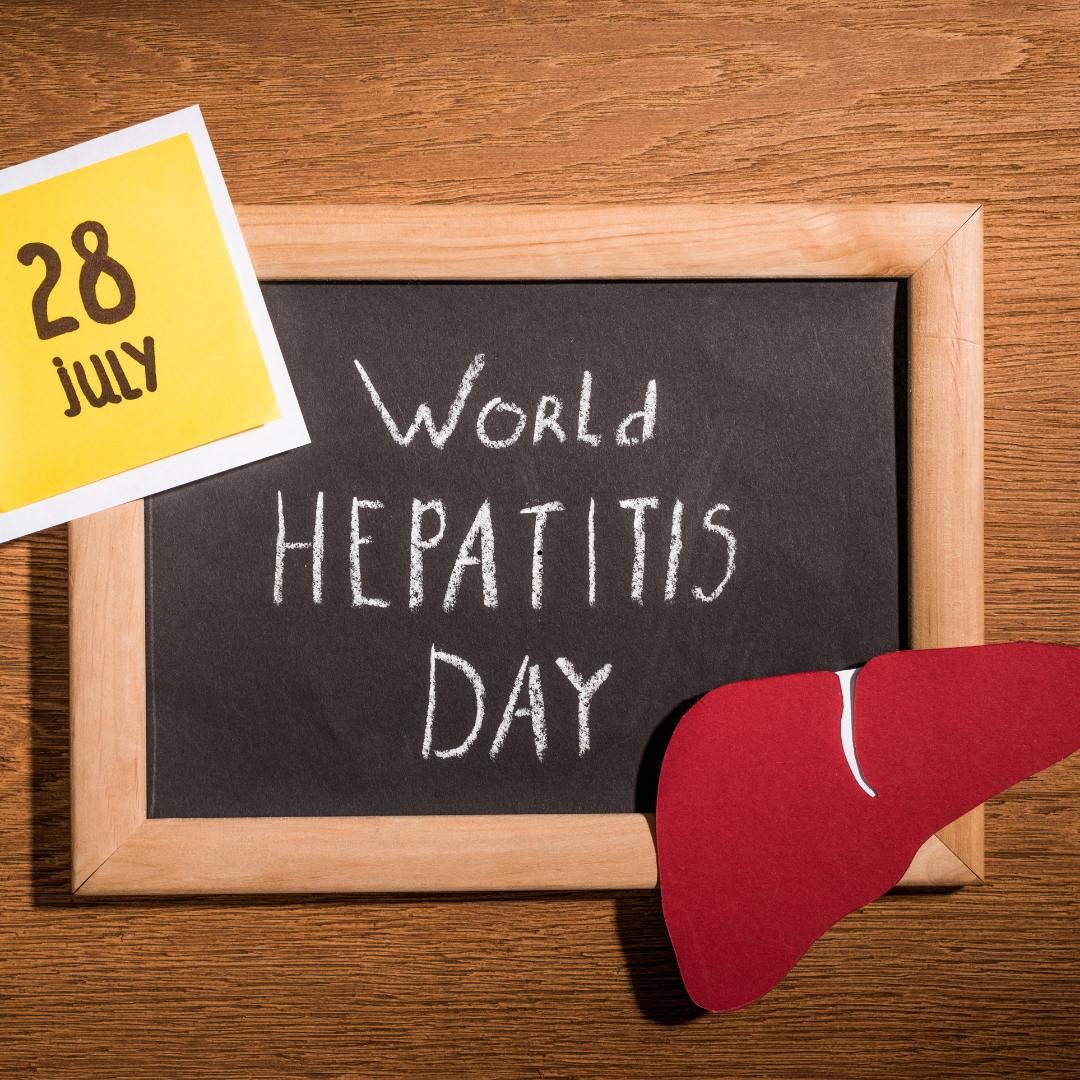
World Hepatitis Day, observed every year on July 28, is a global health awareness day dedicated to raising understanding about viral hepatitis and its worldwide impact. Recognized by the World Health Organization (WHO), this day aims to promote prevention, testing, treatment, and the eventual elimination of hepatitis.
Why July 28?
World Hepatitis Day is celebrated on July 28 to honor the birth anniversary of Dr. Baruch Blumberg, the Nobel Prize-winning scientist who discovered the hepatitis B virus and developed a diagnostic test and vaccine. His work has saved millions of lives globally.
Significance of World Hepatitis Day
Viral hepatitis is a silent epidemic affecting over 350 million people worldwide. It causes liver inflammation, which can lead to severe illness, liver cancer, and death if left untreated. Many individuals are unaware they are infected, which makes timely diagnosis and awareness critical.
World Hepatitis Day is one of the WHO’s official global health days, and it serves as a key opportunity to:
- Increase awareness of the five hepatitis viruses (A, B, C, D, E)
- Encourage testing and vaccination
- Promote access to treatment
- Mobilize global action toward hepatitis elimination by 2030
Theme of World Hepatitis Day 2025 (Expected)
While the official theme for World Hepatitis Day 2025 is yet to be announced by the WHO, past themes have included:
- “We’re Not Waiting” (2023) – calling for immediate action on testing and treatment
- “Hepatitis Can’t Wait” (2021) – emphasizing urgency
- “Find the Missing Millions” (2018-2020) – focused on undiagnosed cases
These themes reflect the ongoing need to accelerate progress in eliminating hepatitis as a public health threat.
Global Impact and Challenges
Despite the availability of vaccines and effective treatments for hepatitis B and C, millions remain undiagnosed and untreated due to:
- Limited awareness
- Inadequate healthcare access
- Stigma and discrimination
- Cost barriers in low-income countries
What You Can Do on World Hepatitis Day
- Get tested: Knowing your status is the first step.
- Get vaccinated: Especially for hepatitis A and B.
- Spread awareness: Use social media, blogs, or community events to educate others.
- Support local and global campaigns: Participate in health camps or donate to causes working on hepatitis care.
- Advocate: Encourage policies that improve access to hepatitis care and reduce stigma.
Conclusion
World Hepatitis Day 2025 is not just a date on the calendar—it’s a call to action. With the right awareness, testing, and treatment, hepatitis is preventable and curable. By joining hands globally, we can move closer to the WHO’s goal of eliminating viral hepatitis by 2030. This July 28, let’s spread knowledge, save lives, and say loud and clear: Hepatitis can’t wait.